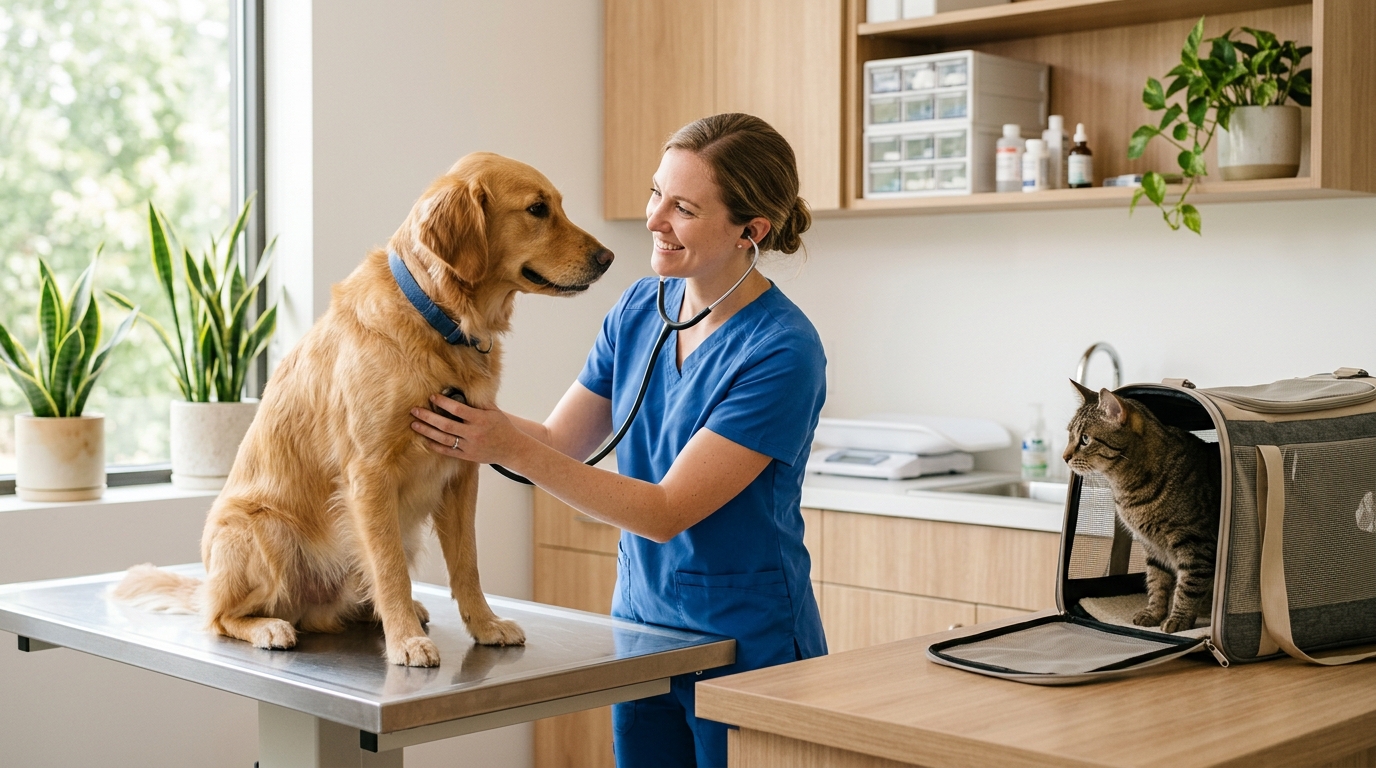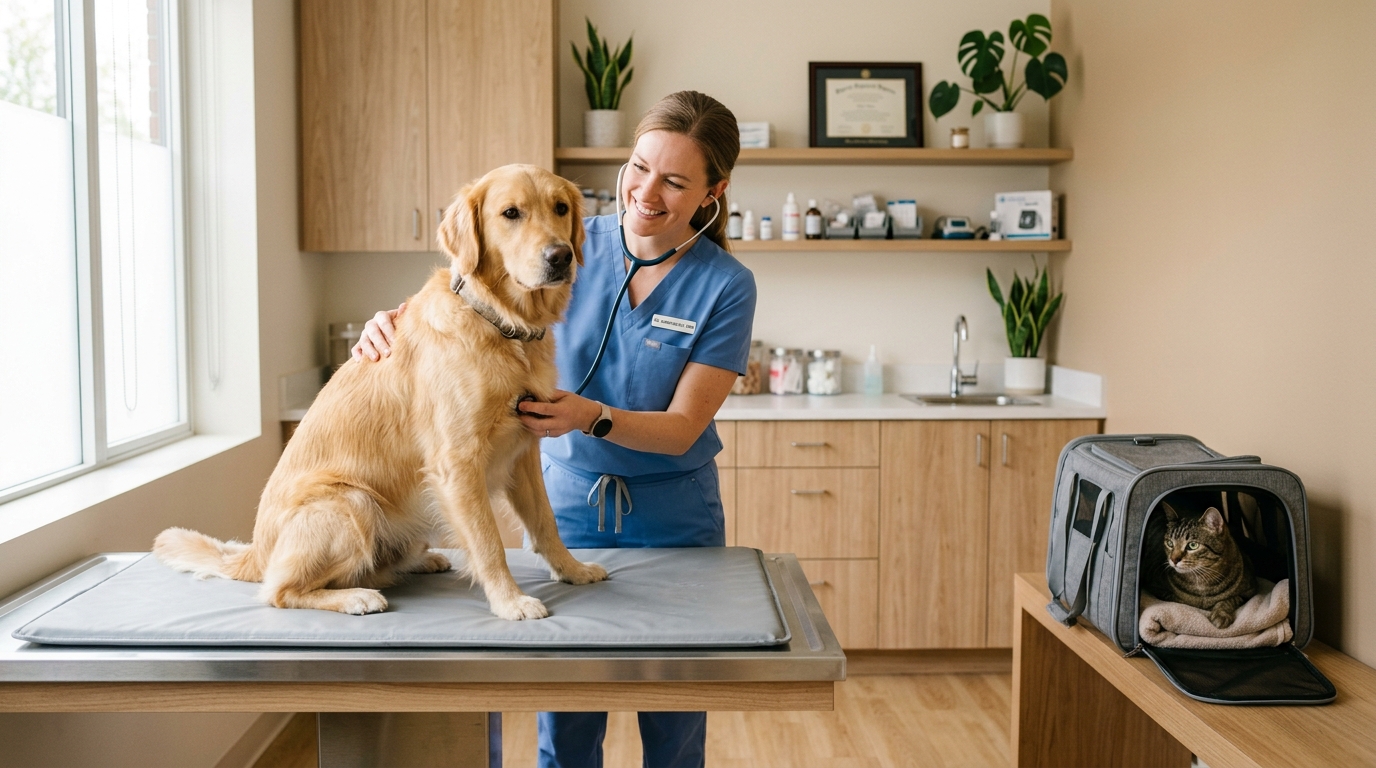
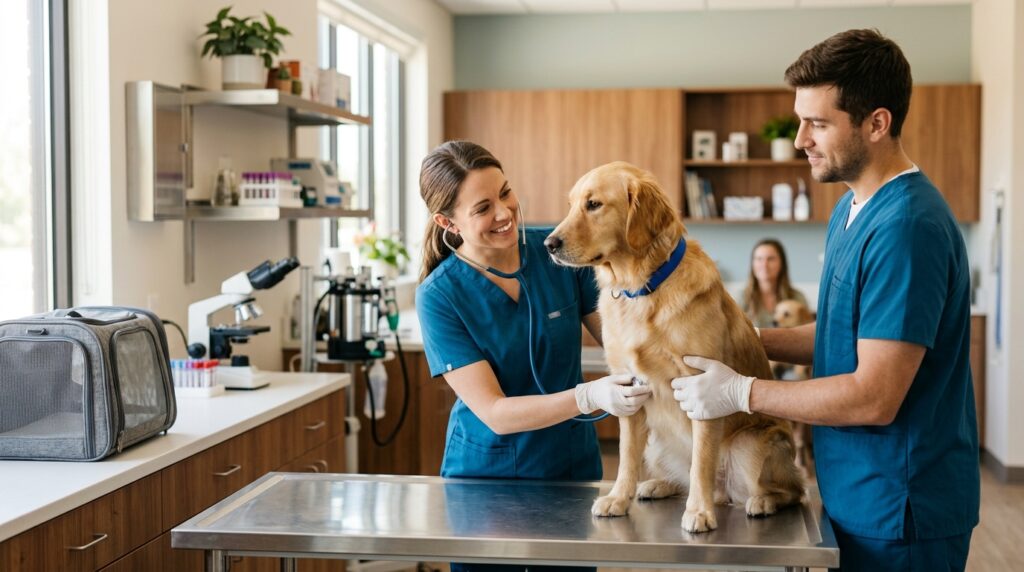
When people search for a veterinary hospital near me in Fresno, most assume every practice offers the same things. They do not. The phrase “full-service animal hospital” gets used freely, but the actual range of care behind it varies widely from one practice to the next. This guide breaks down the services a genuinely full-service animal hospital should provide for your dog or cat, why each one matters, and the questions that tell you whether a practice can truly handle your pet’s needs under one roof.
What “Full-Service” Really Means
A full-service animal hospital is one that can manage most of your pet’s health needs in a single location, from everyday prevention through diagnostics, surgery, and urgent problems. The value is not only convenience. It is continuity: one team that knows your pet, holds its complete records, and can move from spotting an issue to investigating and treating it without scattering you across town. As you read the list below, treat it as a checklist you can hold any Fresno practice against.
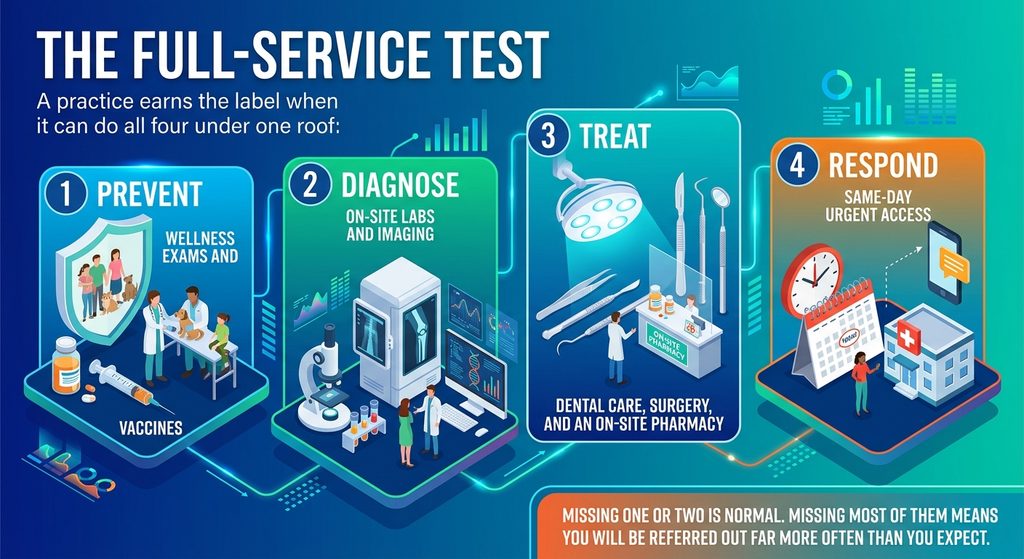
1. Preventive and Wellness Care
Everything starts here. Preventive care covers the annual physical exam, dog and cat vaccinations matched to lifestyle, parasite prevention, weight and nutrition guidance, and early screening for age-related conditions. This is where most health problems are caught before they turn serious, and it is the backbone of a longer, healthier life. Strong preventive pet healthcare is arguably the highest-value service any practice offers, because prevention almost always beats treatment.
Wellness exams
A thorough exam checks your pet nose to tail: heart and lungs, eyes and ears, teeth, skin and coat, joints, and overall body condition. Because dogs and cats age faster than we do, an annual exam is a meaningful health checkpoint, and senior pets benefit from being seen more often.
Vaccinations and parasite control
Core and lifestyle-based vaccines protect against preventable disease, while year-round parasite prevention guards against fleas, ticks, heartworm, and intestinal worms. A good practice tailors both to your pet’s real risk rather than applying a one-size plan to every animal.
2. Diagnostics: On-Site Labs and Imaging
When a pet is unwell, answers cannot wait. A full-service hospital runs diagnostics in-house rather than shipping everything out. In-house bloodwork can reveal organ function, infection, and dozens of other markers during the visit, while on-site veterinary imaging such as x-rays helps assess injuries, swallowed objects, and internal conditions quickly. Same-day results mean same-day decisions, which for a sick dog or cat can change the entire outcome.
3. Dental Care
Dental disease is one of the most common and most overlooked problems in pets, and it affects far more than the mouth. A full-service practice provides pet dental care in Fresno that includes oral exams, professional cleaning under anesthesia, and treatment of diseased teeth. Because so much dental disease hides below the gumline, regular veterinary dental attention protects your pet’s comfort and can prevent problems that reach the heart, kidneys, and other organs.
4. Surgery and Spay/Neuter
Surgical capability is a defining feature of a full-service hospital. It ranges from routine procedures like spay and neuter surgery through soft-tissue surgery and mass removals. What matters as much as the procedure itself is the surrounding care: a proper pre-surgical workup, safe anesthesia with monitoring, pain management, and clear aftercare instructions. Ask any practice how they handle anesthesia safety and pain control, because those answers reveal the quality behind the scalpel.
5. Urgent and Same-Day Care
Illness and injury do not keep to a schedule. A full-service practice reserves capacity for urgent and same-day care so an unexpected problem does not automatically send you to an emergency hospital across the city. During its available times, a good practice can see urgent cases quickly, stabilize a sick or injured pet, and use its own diagnostics to act fast. For overnight, life-threatening urgent and emergency situations, a dedicated 24/7 emergency hospital is still the right destination, and a strong practice will tell you plainly when that is the case.
6. On-Site Medications
Getting a diagnosis is only half the job; treatment usually means medication. An on-site dispensary lets your veterinarian dispense the right medication immediately, with dosing matched to your specific pet and guidance you can trust. Having medications filled by the same team that made the diagnosis reduces errors and delays, and gives you a single point of contact for questions about side effects or refills.
7. The Services That Round Out a Full-Service Hospital
Beyond the core six, several supporting services separate a truly complete practice from a basic one. None of them grab headlines, but together they shape the quality and safety of everything else.
Anesthesia and pain management
Any procedure involving anesthesia is only as safe as the monitoring around it. A strong practice performs pre-anesthetic screening, uses modern monitoring during procedures, and treats pain as something to prevent rather than react to after the fact. Good pain control speeds recovery and is a genuine marker of how seriously a hospital takes patient comfort.
Hospitalization and monitoring
Some patients need to stay for observation, fluids, or recovery. The ability to hospitalize a pet for part of a day, keep it comfortable, and track its progress means a practice can manage moderately sick animals itself rather than sending every case elsewhere. Ask what in-house monitoring looks like and how a patient is watched over the course of a day.
Microchipping and identification
A simple, quick service with lifelong value. Microchipping gives a lost dog or cat a permanent form of identification that dramatically improves the odds of a reunion. A full-service practice offers it routinely and can help you keep the registration details current.
Nutrition and behavior support
Health is not only medical. Weight management, diet guidance, and early behavior advice prevent a surprising number of long-term problems. A practice that takes the time to counsel you on nutrition and behavior is investing in your pet’s whole life, not just treating symptoms as they appear.
Senior and end-of-life care
As pets age, their needs change, and a complete practice adapts with them: more frequent monitoring, management of chronic conditions, and compassionate guidance through the hardest decisions. How a hospital handles senior and end-of-life care says a great deal about its values and the relationship it builds with families.
Full-Service at a Glance
Use this as a quick reference when you compare practices.
| Service area | What a full-service hospital provides | Why it matters |
|---|---|---|
| Preventive care | Exams, vaccines, parasite control | Catches problems early |
| Diagnostics | On-site labs and imaging | Same-day answers |
| Dental | Exams and cleaning under anesthesia | Protects whole-body health |
| Surgery | Spay/neuter and soft-tissue surgery | Care stays in one place |
| Urgent care | Same-day sick and injury visits | Fast help when it counts |
| Pharmacy | On-site medication dispensing | Right treatment, right away |
Why Everything Under One Roof Matters
The real advantage of a full-service hospital is not any single service, it is how they connect. A wellness exam flags a concern, on-site bloodwork investigates it that day, the vet explains the findings, and treatment or medication starts immediately, all with one team that knows your pet’s history. Compare that to a practice that refers out diagnostics, imaging, and surgery: more appointments, more waiting, more retelling of the story, and more room for details to slip through the cracks.
A Real-World Example: What Preventive Care Caught
Consider a common scenario. An owner brings a seemingly healthy middle-aged dog in for a routine wellness visit. Nothing appears wrong. As part of the exam, the practice runs baseline bloodwork, and the results show early signs of reduced kidney function, long before any outward symptoms.
Because the hospital had labs on site, the team could discuss the findings the same day, adjust the dog’s diet, begin monitoring, and build a plan to slow the progression. Caught early, chronic kidney changes are far more manageable. Had the dog only been seen once symptoms finally appeared, the story would likely have been very different. This is the quiet power of a full-service approach: preventive care and on-site diagnostics working together to find what a quick look never would. If you are still deciding where to go, our guide on how to choose the best vet in Fresno walks through the full evaluation.
How to Judge a Full-Service Hospital in Fresno
Beyond the service list, look at the signals of quality, using the same care you would when choosing any veterinary practice. Ask whether diagnostics are truly on site, how anesthesia and pain are managed, and how urgent cases are handled. Understanding accreditation standards gives you a sense of the benchmarks strong practices aim for, though many excellent independent Fresno clinics deliver outstanding care without formal accreditation. You can also review the full range of veterinary services a practice publishes and meet our Fresno veterinary team to weigh experience before you ever book.
C.H. Veterinary Clinic is a small animal practice at 2588 N Temperance Ave in Fresno, caring for dogs and cats with preventive care, on-site diagnostics, dentistry, surgery, and same-day options in one place. When you are ready, book a vet appointment in Fresno or call (559) 292-7393.
Frequently Asked Questions
-
What makes an animal hospital “full-service”?
A full-service animal hospital can manage most of your pet’s needs in one location: preventive and wellness care, on-site diagnostics like labs and imaging, dental care, surgery, an in-house dispensary, and same-day urgent visits. The defining feature is breadth paired with continuity, meaning one team that knows your pet and can move from diagnosis to treatment without referring you elsewhere for routine needs. Overnight emergencies are the usual exception to that.
-
Do full-service hospitals handle emergencies?
Many manage urgent same-day problems during their available times and can stabilize a sick or injured pet using on-site diagnostics. What most primary-care hospitals do not provide is around-the-clock critical care, which is what a dedicated 24-hour emergency facility exists for. The ideal arrangement is a full-service practice for daily and urgent needs, combined with knowing which emergency hospital to use after hours for life-threatening situations.
-
Why does on-site diagnostics matter so much?
When a pet is unwell, the speed of information shapes the outcome. On-site bloodwork and imaging let the veterinary team identify a problem during the same visit rather than waiting days for outside results. For urgent cases, that speed can be the difference between early treatment and a worsening condition. It also means fewer trips and less stress for pets that find travel and unfamiliar places genuinely difficult.
-
How often should my dog or cat visit a full-service hospital?
Healthy adult dogs and cats generally benefit from a wellness exam once a year, while puppies, kittens, and senior pets usually need more frequent visits. Annual exams let the team track your pet’s baseline and catch issues early. Your veterinarian will suggest a schedule based on age, breed, and health status, so treat these numbers as starting points and follow the plan tailored to your individual pet.
-
Is a bigger hospital always better for my pet?
Not necessarily. Size, and even the word “hospital” on the sign, does not guarantee quality. What matters is the actual range of services, whether diagnostics are done on site, how anesthesia and urgent cases are handled, and how the team treats you and your pet. A smaller practice with strong capability and genuine care often serves a dog or cat better than a large, impersonal one. Judge capability, not square footage.
A full-service hospital is worth finding before you need it, so use this checklist on your next visit and see how your practice measures up.