
Veterinary Radiology in Fresno, CA
Digital X-Rays Taken and Read On Site
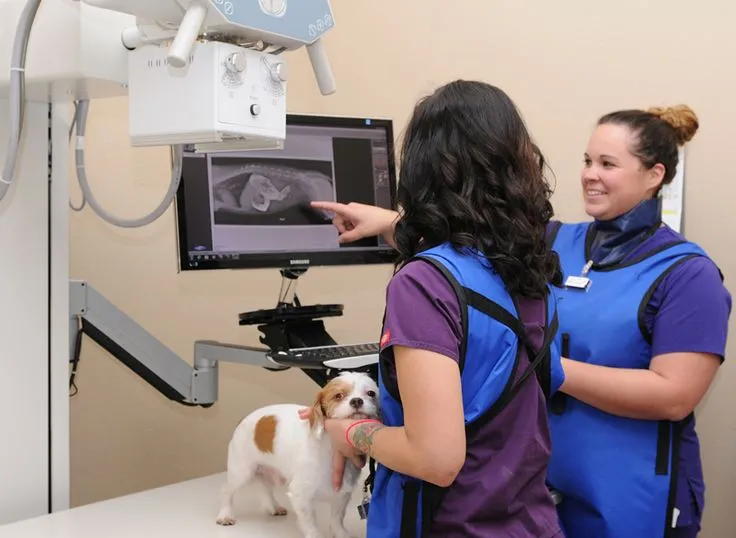
A physical exam tells us a great deal, but it stops at the skin. Radiographs are how we see what is underneath, and having them on site means a limping dog or a vomiting cat can be examined, imaged, and diagnosed in a single visit instead of being sent elsewhere and scheduled back.
If you have been searching for veterinary radiology near me in Fresno, C.H. Veterinary Clinic takes and reads digital pet X-rays at 2588 N Temperance Ave. Same-visit imaging is often the difference between starting treatment today and waiting days for an outside facility.
What Radiographs Show
X-rays create a picture of the structures inside the body that an exam alone cannot reach. Depending on the case, a pet x-ray in Fresno CA at our clinic can reveal:
- Fractures and bone injuries, including the type and displacement that determine treatment
- Swallowed foreign objects, and whether one is passing or causing an obstruction
- Bladder and kidney stones
- Heart size and shape, which can point to cardiac disease
- Chest and lung conditions, including fluid, masses, and signs of pneumonia
- Abdominal problems, including obstructions and organ enlargement
- Arthritis and joint disease, especially in older or limping animals
- Dental disease below the gumline, through dental radiographs
Most studies need at least two views from different angles, because a single view can hide the very thing we are looking for. A mass or a fracture line that is invisible head-on can be obvious from the side.
Why On-Site Imaging Matters
The value is speed and continuity. When imaging is done in the same building as the exam, by the same team that knows the case, the veterinarian reads the films immediately and folds them into everything else they have observed.
For a dog hit by a car, a cat that swallowed a string, or a senior pet that suddenly cannot use a back leg, that immediacy changes outcomes. There is no courier, no outside scheduling, and no gap during which a treatable problem gets worse. Paired with in-house bloodwork, imaging gives a far more complete picture than either test on its own, which is what a genuinely sick animal usually needs.
What to Expect During the Procedure
- No special preparation is needed in most cases. You can usually bring your pet in as they are.
- Gentle positioning. For clear images, the pet is positioned carefully and briefly held still. Most animals tolerate this well with a trained team.
- A fast, painless exposure. The X-ray itself takes a fraction of a second and the animal feels nothing.
- Immediate review. Digital images are ready in moments, and the veterinarian reviews them with you the same visit.
- Sedation only when needed. For a painful injury or a very anxious animal, light sedation may produce better images and a calmer experience. When that is the case, we talk it through with you first.
When Your Pet Might Need an X-Ray
- Limping, or refusing to bear weight on a leg
- Suspected swallowing of a foreign object
- Repeated vomiting or signs of an abdominal obstruction
- Straining to urinate, which can point to bladder stones
- Coughing, labored breathing, or suspected heart or lung disease
- Trauma of any kind, including falls and vehicle accidents
- Assessment of arthritis or chronic joint pain
- Pre-surgical or dental evaluation
If your pet is showing any of these and the situation cannot wait, urgent care for pets near me is available for same-day sick visits.
Frequently Asked Questions
How should I prepare my pet for an X-ray?
Usually no special preparation is needed. Most animals hold still enough for clear images with gentle restraint, and the exposure itself takes a fraction of a second with no sensation. Bring any prior imaging or records if your pet has been seen elsewhere. If sedation turns out to be needed for a painful or anxious patient, we discuss it with you first rather than deciding for you.
Are X-rays safe for my pet?
Yes. The radiation dose from a diagnostic X-ray is very low, and the occasional imaging a pet needs poses negligible risk. The information a radiograph provides almost always far outweighs that small exposure, since it lets us diagnose accurately instead of guessing. Our team is trained in safe technique and positioning to get the needed image with a single, brief exposure.
Will my pet need to be sedated for an X-ray?
Most pets do not. Gentle positioning and a calm, trained team are usually enough for a clear image. Sedation is reserved for animals in significant pain, fractures that are painful to position, or highly anxious patients where sedation produces a better result and a less stressful experience. When sedation is appropriate, we discuss it and the recovery time with you first.
How quickly will I get the results?
Immediately, in most cases. Because our imaging is digital and read on site, the veterinarian reviews the radiographs within moments of taking them and goes over the findings with you during the same visit. There is no waiting days for an outside radiologist. For complex cases, we may send images to a specialist for a second read and follow up with you.
My pet swallowed something. Can an X-ray find it?
Often, yes, though it depends on the object. Metal, bone, and many hard objects show up clearly. Some materials like cloth, plastic, and string are harder to see directly, but the pattern of gas and obstruction they cause is frequently visible. Call (559) 292-7393 right away and do not induce vomiting first, since some objects do more damage coming back up.
Can radiographs show soft tissue problems, or just bones?
Both, to a degree. X-rays are best for bone, but they also reveal a great deal about soft tissue: heart size and shape, lung patterns, organ enlargement, fluid, and abnormal gas. For finer soft-tissue and organ detail, ultrasound is sometimes the better tool, and when a case calls for it we arrange the appropriate imaging or referral rather than rely on radiographs alone.
Why Choose C.H. Veterinary Clinic
- On-site, same-visit imaging: No referral, no courier, no second appointment for basic diagnostics.
- Digital radiography: Images ready in moments and read immediately by the veterinarian who examined your pet.
- Paired with in-house diagnostics: Bloodwork and imaging together, in one visit, for a complete picture.
- Honest about limits: When a case needs ultrasound or a specialist, we say so and arrange it.
Call (559) 292-7393 if your pet needs imaging, or book a vet appointment.