Spay & Neuter in Fresno, CA
Routine Surgery Done With Full Pre-Anesthetic Screening
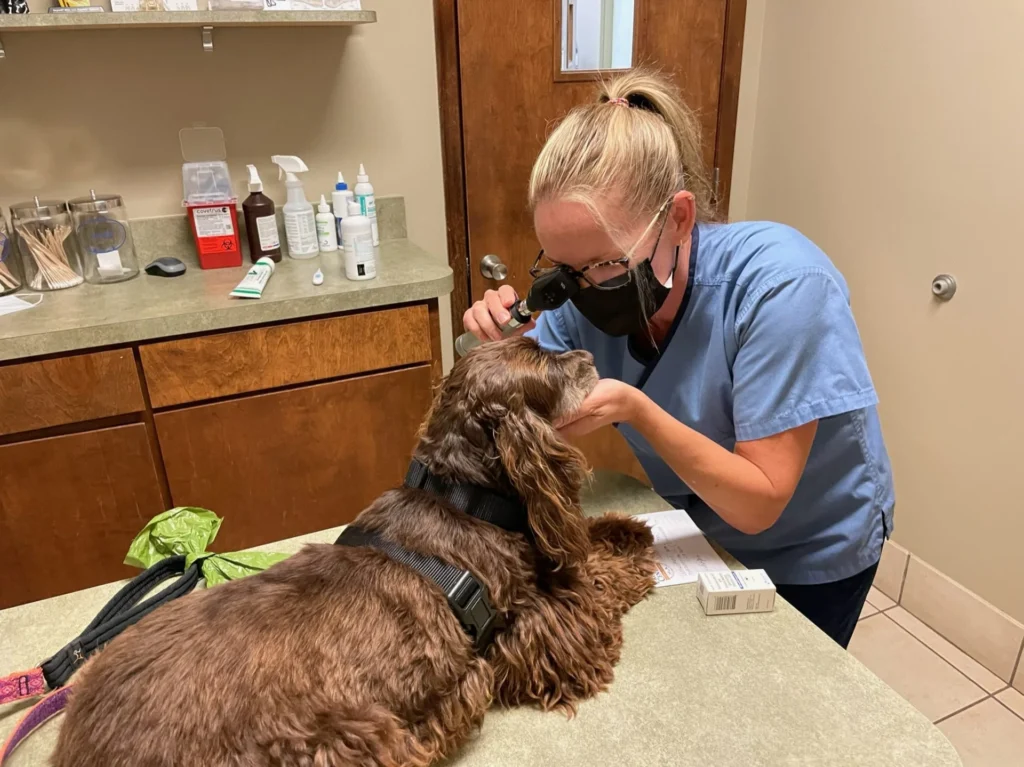
Spaying and neutering prevent unwanted litters, which matters in a county with a persistent shelter intake problem. They also carry direct medical benefits for the individual animal: spaying eliminates pyometra, a life-threatening uterine infection, and sharply reduces mammary cancer risk when done early, while neutering eliminates testicular cancer and reduces prostate disease.
If you have been looking for a spay and neuter clinic near me in Fresno, C.H. Veterinary Clinic performs the surgery at 2588 N Temperance Ave. Every procedure includes a pre-surgical exam and in-house pre-anesthetic bloodwork, because anesthesia decisions should be based on measured organ function rather than the assumption that a young animal must be healthy.
What the Procedure Includes
- Pre-surgical consultation and exam. We go over the procedure, answer questions, and examine your pet. You get a written estimate before anything is scheduled.
- Pre-anesthetic bloodwork. Run in our own laboratory as pre-anesthetic bloodwork, checking organ function, red and white cell counts, and clotting factors. Occasionally this finds a problem in an animal that looked completely normal, which changes the plan.
- Monitored general anesthesia. Protocol tailored to your pet’s age, breed, weight, and health status, with monitoring throughout the procedure.
- The surgery. Spay (ovariohysterectomy) removes the ovaries and uterus. Neuter (castration) removes the testicles.
- Pain management. Pain control before, during, and after surgery, plus medication to go home with. This is not optional and not an upcharge decision.
- Monitored recovery. Your pet is watched through anesthetic recovery before discharge.
- Discharge instructions. Written aftercare, activity restrictions, and what to watch for, with a phone number to call if anything looks off.
When to Schedule
Timing depends on species, size, and breed, and the recommendation has shifted in recent years for large-breed dogs. Owners searching for a dog spay near me or a cat neuter near me should know the right age is not the same for every animal.
- Cats: Typically around 5 to 6 months, before the first heat cycle.
- Small and medium dogs: Typically around 6 months.
- Large and giant breed dogs: Often later, since growth plate closure and orthopedic development are affected by sex hormones. Waiting can reduce the risk of certain joint problems in some breeds, though it means managing an intact dog for longer.
This is worth an actual conversation rather than a default. Bring your dog’s breed and expected adult size and we will talk through the tradeoffs. If your puppy or kitten is also due for their vaccinations, we can plan that series around the surgery timing.
Preparing for Surgery
The Night Before
- Withhold food from the time we specify the night before. Water stays available.
- Follow instructions exactly. An animal with a full stomach under anesthesia is an aspiration risk, and a surgery gets postponed over it.
The Morning Of
- No breakfast
- Arrive at the scheduled drop-off time
- Bring any medications your pet takes
- Have a phone number where we can reach you during the procedure
Recovery at Home
- Restrict activity for the period we specify, typically 10 to 14 days. No running, jumping, or rough play
- Keep the incision dry. No bathing or swimming
- Use the e-collar. Licking is the most common cause of a complication, and the cone is far less unpleasant than an infected incision
- Check the incision daily for redness, swelling, or discharge
- Give pain medication as prescribed, on schedule rather than only when the pet seems uncomfortable
- Call (559) 292-7393 if you see swelling, discharge, an opened incision, vomiting, or lethargy that does not improve
Frequently Asked Questions
Is spay or neuter surgery safe?
It is among the most commonly performed surgeries in veterinary medicine, and serious complications are uncommon. Risk is not zero, which is why we do pre-anesthetic bloodwork, use monitored anesthesia, and provide pain management rather than treating it as a routine assembly-line procedure. Screening organ function before anesthesia is what removes the largest avoidable risk in an otherwise routine surgery.
How should I prepare my pet for spay or neuter surgery?
Withhold food the night before from the time we specify, though water stays available, since anesthesia on a full stomach carries an aspiration risk. On the morning of surgery, skip breakfast and bring any medications your pet takes. Afterward, restrict activity for the recovery period we outline, keep the incision dry, and use the e-collar. Licking is the most common cause of a complication.
Will my pet gain weight or change personality?
Metabolism does slow after the procedure, so an animal fed the same amount will gain weight. That is a feeding management issue and it is straightforward to prevent by adjusting portions. Personality does not fundamentally change. Hormone-driven behaviors like roaming, marking, and some forms of aggression often decrease, but the animal’s temperament stays the animal’s temperament.
Should my dog have a litter first?
No. There is no medical benefit to a litter before spaying, and there is a clear cost: the mammary cancer protection from spaying is strongest before the first heat and diminishes with each subsequent cycle. Waiting for a litter trades away that protection for nothing measurable in return.
Can an older pet still be spayed or neutered?
Usually, yes. Older animals need a more careful workup, which is exactly what pre-anesthetic bloodwork provides. For an intact older female in particular, spaying eliminates the risk of pyometra, a uterine infection that becomes more likely with age and is a genuine emergency when it happens. Age by itself is not a disqualifier.
My cat is already pregnant. What are my options?
Call (559) 292-7393 and we will discuss the options for your specific situation honestly, including timing and what each choice involves. There is no single right answer, and we would rather talk it through with you directly than lay out a policy on a webpage.
Why Choose C.H. Veterinary Clinic
- Pre-anesthetic bloodwork included: Run in our own lab before every procedure, not offered as an add-on you decline.
- Pain management standard: Before, during, and after surgery.
- On-site diagnostics: If something unexpected turns up, bloodwork and on-site radiographs are right here.
- Direct access: You talk to the people who performed the surgery when you call with a question.
Call (559) 292-7393 to schedule a spay or neuter consultation, or book a vet appointment.