Pet Dental Care in Fresno, CA
Professional Cleanings, Including the Work Below the Gumline
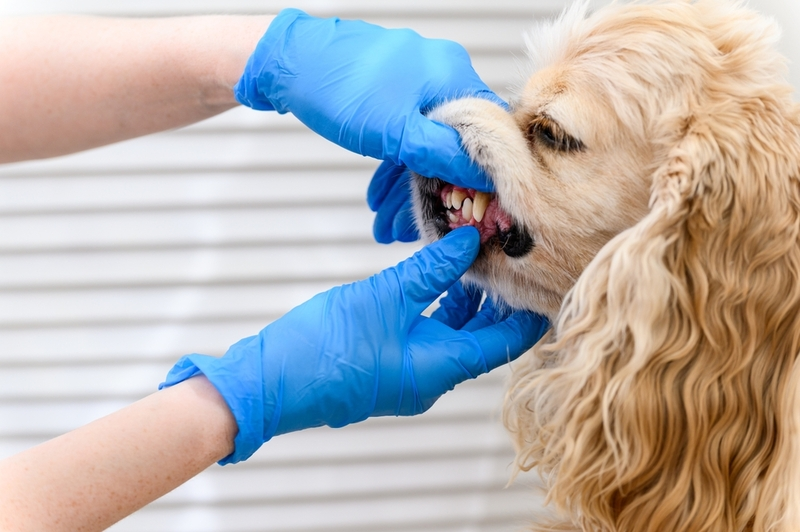
Dental disease is the most common diagnosed health problem in dogs and cats, and it does not stay in the mouth. Bacteria under inflamed gums enter the bloodstream and, over time, strain the heart, liver, and kidneys. About 80 percent of dogs and 70 percent of cats show signs of dental disease by age three, which makes the mouth one of the most important and most overlooked parts of a physical exam.
If you have been searching for animal dental care near me in Fresno, C.H. Veterinary Clinic performs dog teeth cleaning and cat dental cleaning at 2588 N Temperance Ave, including the subgingival work below the gumline that a brush at home cannot reach.
Why Dental Care Matters
The part of dental disease you can see, the tartar on the visible tooth, is not the part that causes harm. Disease lives below the gumline, where plaque hardens into calculus, pockets form, and the structures holding the tooth in place break down. By the time a tooth is visibly loose or a pet is dropping food, the problem has usually been advancing painfully for a long time.
Animals hide oral pain well. A cat with a painful resorptive lesion often keeps eating, just more slowly or on one side, and owners reasonably read nothing wrong. This is why professional assessment matters more than waiting for an obvious symptom.
What a Dental Cleaning Includes
- Pre-anesthetic exam and bloodwork. Dental cleaning requires anesthesia, and we screen organ function with in-house bloodwork before it.
- Full oral exam and charting. Every tooth is examined and its condition recorded, so problems are tracked over time rather than rediscovered each visit.
- Dental radiographs. X-rays taken as dental radiographs show the roots and the bone below the gumline, where most serious disease actually is. A tooth that looks fine above the gum can be failing below it.
- Scaling above and below the gumline. The subgingival cleaning is the part that treats disease. Removing visible tartar alone is cosmetic.
- Polishing. Smooths the enamel so plaque re-adheres more slowly.
- Extractions where needed. Teeth too damaged to save are removed, with pain management, so a source of chronic pain and infection is gone.
- Recovery and home-care plan. Monitored recovery, then a plan to slow disease before the next cleaning.
Signs Your Pet May Need a Dental Exam
- Bad breath, the single most ignored sign
- Yellow or brown tartar along the gumline
- Red, swollen, or bleeding gums
- Dropping food, chewing on one side, or eating more slowly
- Pawing at the mouth or face
- Reluctance to take hard food or treats
- A loose or discolored tooth
- Excessive drooling
Home Care Between Cleanings
A professional cleaning resets the mouth; home care slows how fast disease returns.
- Brushing is the single most effective home measure, using pet toothpaste only. Human toothpaste is toxic to pets. Daily is ideal, but even a few times a week helps.
- Dental diets and treats with the Veterinary Oral Health Council seal have been tested to reduce plaque and tartar. The seal is the thing to look for, since most products making dental claims have not been tested.
- Water additives and chews can help at the margins but do not replace brushing or professional cleaning.
Frequently Asked Questions
How do I know if my pet needs a dental cleaning?
Watch for bad breath, the most commonly ignored sign, along with yellow or brown tartar, red or bleeding gums, dropping food or chewing on one side, pawing at the mouth, or reluctance to take hard treats. Cats often show almost nothing beyond slightly slower eating, even with painful resorptive lesions. We assess the mouth at each wellness exam and tell you where your pet stands.
Why does a dental cleaning require anesthesia?
A meaningful cleaning has to reach below the gumline and include dental X-rays, and no awake animal will hold still for that safely. Anesthesia-free cleaning only scrapes the visible surface, leaving the disease that actually matters untouched, while giving owners false reassurance. We screen with pre-anesthetic bloodwork and use monitored anesthesia so the procedure is both thorough and safe.
Is anesthesia safe for my pet's dental cleaning?
For the large majority of pets, yes. The main risk factors are underlying organ problems, which is exactly what pre-anesthetic bloodwork is designed to catch. We tailor the anesthetic protocol to your pet’s age, breed, and health, and monitor throughout. For an older pet, the risk of untreated dental infection usually outweighs the well-managed risk of anesthesia.
How often does my pet need a dental cleaning?
It varies by individual. Some pets need annual cleanings; others go longer, and small breeds and cats with crowded teeth often need them more frequently. Rather than apply a fixed schedule, we assess the mouth at each wellness exam and tell you when a cleaning is due based on what we actually see, not a calendar.
My pet is older. Is it too late for dental care?
No. Age is not a disqualifier, and untreated dental disease causes real ongoing pain and infection at any age. Older pets get a more careful pre-anesthetic workup, which is what the bloodwork provides. Owners are often surprised how much brighter and more comfortable a senior pet is once a mouth full of diseased teeth has been treated.
Can I just have the tartar scraped off without anesthesia?
It looks like a cleaning but it is not one. Scraping the visible surface leaves the subgingival disease that causes harm, cannot include X-rays, and stresses the animal. It produces a cosmetic result that masks an untreated problem. A proper cleaning under anesthesia is the only way to treat what is below the gumline.
Why Choose C.H. Veterinary Clinic
- Dental radiographs on site: We see below the gumline, where most disease is, not just the visible surface.
- Pre-anesthetic bloodwork in our own lab: Organ function checked before every procedure.
- Full charting: Your pet’s dental history is tracked over time.
- Honest recommendations: We tell you what the mouth needs, and we do not push anesthesia-free cleaning that does not work.
Call (559) 292-7393 to schedule a dental exam, or book a vet appointment.