Lab Results During Your Appointment, Not Days Later
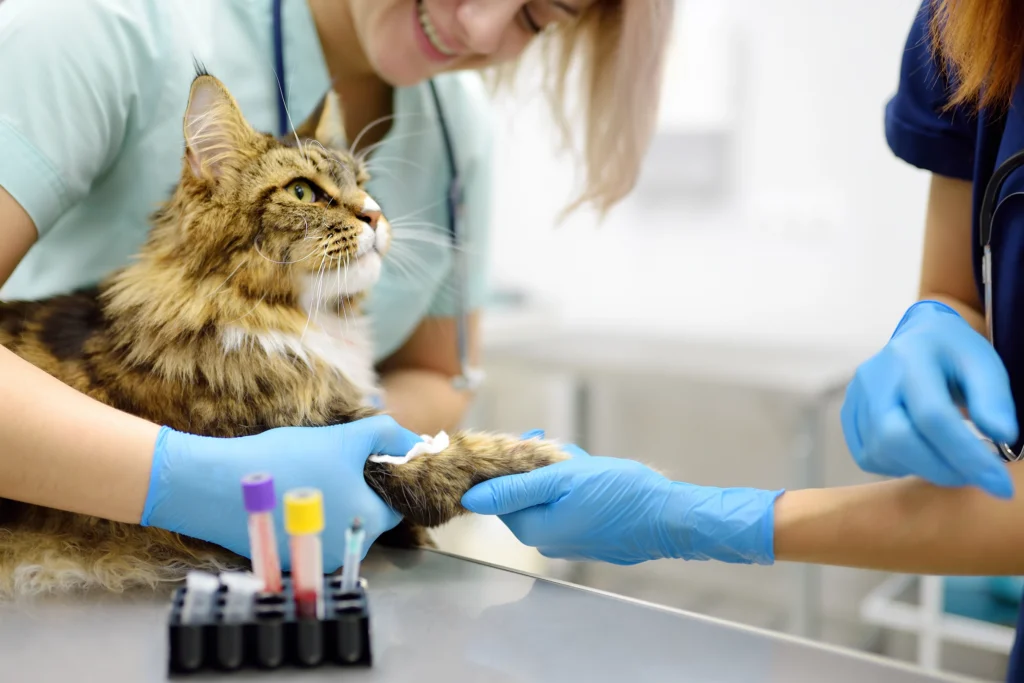
When an animal is sick, the gap between the exam and the lab result is the part that costs you. Send blood to an outside lab and you wait two or three days for numbers, then wait again for an appointment to act on them. C.H. Veterinary Clinic at 2588 N Temperance Ave runs bloodwork in our own laboratory, so in most cases we read the results, explain them, and start treatment before you leave the building.
That matters most in three situations: an animal that is acutely ill and getting worse, a patient going under anesthesia, and a senior pet where a slow change in kidney or liver values is the earliest warning you will get.
Complete Blood Count (CBC)
Counts red cells, white cells, and platelets. This is how we identify anemia, infection, inflammation, dehydration, and clotting problems, and it is often the first test that tells us how sick an animal actually is.
Chemistry Panels
A broad look at organ function and metabolism, covering glucose, protein, enzymes, and waste products. Chemistry panels are the go-to test for vomiting, weight loss, lethargy, and appetite changes.
Kidney Panels
BUN, creatinine, and related values used to detect kidney disease, which is one of the most common serious conditions in older cats and dogs and one of the most treatable when caught early.
Liver Panels
Liver enzymes and bilirubin, used to investigate jaundice, appetite loss, drug reactions, and toxin exposure.
Thyroid Testing
Hyperthyroidism in older cats and hypothyroidism in dogs both cause weight, coat, energy, and behavior changes that get blamed on aging. A thyroid test separates the two.
Electrolytes
Sodium, potassium, and chloride. Critical in vomiting, diarrhea, dehydration, kidney disease, and Addison’s disease, and often the value that determines whether an animal needs fluids right now.
Pre-Anesthetic Panels
Run before every surgical procedure so anesthesia decisions are based on that animal’s actual organ function rather than an assumption based on age.
Urinalysis
Evaluates kidney concentration, urinary tract infections, crystals, and metabolic disease. Read alongside bloodwork, it fills in what blood values alone cannot show.
Fecal Testing & Parasite Screening
Identifies intestinal parasites, which stay a year-round issue in the Central Valley rather than a seasonal one.
Snap Tests
Rapid in-clinic tests including heartworm, and FeLV/FIV for cats, with results in minutes.
Cytology & Blood Smears
Microscopic review of cells from skin, ears, masses, or blood, used to identify infection, inflammation, parasites, and abnormal cells.
Fresno County conditions push certain problems onto the list more often than they would be elsewhere. Summer heat drives dehydration and heat stress in dogs, and electrolyte panels are how we measure the damage. Valley Fever, a fungal disease endemic to the San Joaquin Valley, produces vague symptoms in dogs like limping, coughing, weight loss, and fever, and bloodwork is a starting point in that workup. Year-round parasite pressure means fecal and heartworm testing are not seasonal here. And in an agricultural region, toxin and chemical exposure is a real differential rather than a rare one.
Run bloodwork when:
Senior screening is the highest-value use. A single set of numbers tells you less than the same numbers tracked over three years. Baseline bloodwork on a healthy middle-aged animal is what makes a later change meaningful.
Most panels run during your appointment, typically within about 15 to 30 minutes depending on the tests ordered. That means we can usually go over the results with you in person rather than calling you the next day. Specialized tests that we send to an outside laboratory take longer, and we will tell you upfront which category your animal’s test falls into.
For most panels, a 12-hour fast gives cleaner results, particularly for chemistry values affected by a recent meal. Water should always be available. If your appointment was scheduled as an urgent visit, do not delay care to fast your pet. We work with what we have and interpret accordingly.
Because a physical exam cannot measure kidney and liver function, and those organs process anesthetic drugs. Pre-anesthetic bloodwork occasionally finds a problem in an animal that looked completely normal, which changes the anesthetic protocol or delays the procedure. It is a short test that removes the largest avoidable risk in a routine surgery.
Most senior dogs and cats benefit from bloodwork at least once a year, and every six months once a chronic condition is being managed. Cats over ten in particular should be screened regularly for kidney disease and hyperthyroidism, both of which are common, both of which are manageable when caught early, and both of which hide behind symptoms owners read as normal aging.
The blood draw itself is comparable to a vaccination, a quick needle stick, and most animals tolerate it without sedation. For anxious patients we work quickly and use gentle restraint. If an animal is genuinely unsafe to handle, we will discuss sedation rather than force the issue.
We go over the numbers with you in plain language, explain what they mean and what they do not, and lay out the options with costs before you decide anything. If the case needs a specialist or advanced imaging we do not have, we will tell you that directly and refer you.
Call (559) 292-7393 to schedule bloodwork, a sick animal visit, or a senior screening.